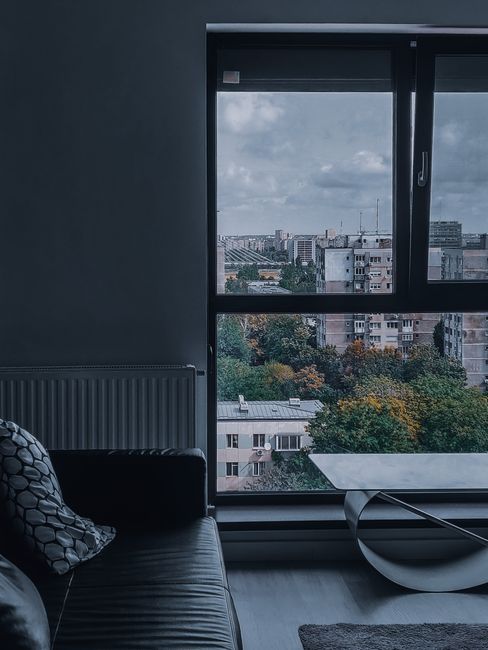
Oakwood Estate leather sofa cleaning tips for Goddington flats: a practical guide for keeping leather looking its best
If you live in one of the Goddington flats and your leather sofa is starting to look a little tired, you are not alone. Leather ages gracefully, but only if it is cared for properly, and flats can make that harder than you might expect. Less space, tighter layouts, shared hallways, heating that can be a bit inconsistent in winter, and the occasional spill from a late tea or takeaway all add up. This guide on Oakwood Estate leather sofa cleaning tips for Goddington flats walks through what to do, what to avoid, and how to keep your sofa comfortable, clean, and presentable without damaging the finish.
We will cover everyday maintenance, stain handling, safe cleaning methods, the difference between leather types, and when it makes sense to call in a professional for more thorough upholstery care. To be fair, leather is forgiving in some ways and fussy in others. The trick is knowing which is which.
Table of Contents
- Why these leather sofa cleaning tips matter in Goddington flats
- How leather sofa cleaning works in a flat setting
- Key benefits and practical advantages
- Who this is for and when it makes sense
- Step-by-step cleaning guidance
- Expert tips for better results
- Common mistakes to avoid
- Tools, resources and recommendations
- Law, compliance, standards and best practice
- Options, methods and comparison table
- Case study or real-world example
- Practical checklist
- Conclusion
- Frequently asked questions
Why Oakwood Estate leather sofa cleaning tips for Goddington flats Matters
Leather sofas are often one of the most visible pieces of furniture in a flat. They take the visual centre of a room, so when they are clean and supple, the whole space feels sharper. When they are dull, patchy, or marked, the room can feel a bit smaller and more worn than it really is. In compact homes, that effect is amplified. You notice everything.
In Goddington flats, practical constraints matter too. You may not have much storage for specialist products, and ventilation can be limited during wet weather. That means the wrong cleaner, too much moisture, or aggressive rubbing can cause more trouble than the original stain. Leather is a natural material, and it responds to use, heat, dryness, and cleaning products in a way fabric simply does not.
There is also a long-term cost angle. A well-maintained leather sofa usually lasts much longer than one that is cleaned harshly or left to dry out. You do not need a dramatic routine. You need a sensible one, done regularly. Simple really, though not always easy in a busy household.
Expert summary: The safest approach for leather in flats is gentle, regular cleaning with minimal moisture, prompt spill treatment, and occasional conditioning when the leather type allows it.
If you want broader support for upholstered furniture care, it can also help to look at professional sofa cleaning advice and the wider upholstery cleaning service information on the site. Those pages are useful if your sofa needs more than routine home care.
How Oakwood Estate leather sofa cleaning tips for Goddington flats Works
Leather sofa cleaning works best when you think in layers. First comes dry removal of dust and grit. Then light cleaning of the surface. After that, you deal with stains or marks. Finally, you protect the leather so it stays flexible and does not dry out too quickly. The order matters more than people think.
Start by identifying the leather type. Full-grain, top-grain, protected, pigmented, aniline, semi-aniline, and faux leather all behave differently. In everyday terms, some leather has a protective finish and can tolerate a little more careful wiping, while more delicate types absorb moisture and colour more readily. If you are not sure which one you have, assume it is delicate until you know otherwise.
In a flat, drying time is another big part of the process. A sofa that stays damp in a cool room can develop a stale smell or an uneven finish. That is why light application and good airflow are important. Open a window if you can, but do not put the sofa right against a radiator and hope for the best. Leather and hot, direct heat do not get along.
For households with pets, children, or frequent visitors, the cleaning approach needs to be steady rather than occasional and heroic. A quick weekly wipe and a monthly more detailed clean usually beats a frantic deep clean once a year. Leather likes routine. A bit boring, perhaps. Very effective, though.
Key Benefits and Practical Advantages
The main benefit is obvious: a cleaner sofa. But there is more to it than appearance.
- Longer sofa life: Regular maintenance helps prevent cracking, drying, and premature wear.
- Better hygiene: Leather does not trap dust like some fabrics, but dirt still settles on the surface and in seams.
- Improved room appearance: A well-kept sofa makes a small flat feel more polished and settled.
- Odour control: Spills, body oils, and everyday use can leave a faint smell if ignored.
- Lower repair risk: Gentle care reduces the chance of colour loss, surface damage, or hardening.
There is a practical comfort angle too. Leather feels better when it is clean and balanced rather than sticky, dull, or patchy. That sounds obvious, but people often keep using a sofa for months after it has become slightly unpleasant to sit on. Then one day they realise the issue is not huge, just built up over time.
In households where the living room doubles as a workspace, dining area, and evening relaxation spot, maintenance also supports day-to-day order. It is easier to keep a room under control when the biggest piece of furniture is looking cared for. You may even find the whole flat feels easier to live in, which is no small thing.
Who This Is For and When It Makes Sense
This guide is for residents of Goddington flats who want realistic leather sofa care without overcomplicating it. It is especially useful if your sofa is used daily, if you are dealing with light marks or spills, or if you have recently moved into a flat and want to establish a cleaning routine from the start.
It also makes sense for landlords, tenants, and property managers who want to protect the condition of shared or furnished furniture. A leather sofa in a rental flat can look expensive for a long time if it is handled well. Handled badly, it can look old before its time. That part is not subtle.
You should think about a deeper clean if:
- the surface feels greasy or tacky after normal wiping;
- light marks keep returning in the same spots;
- there is visible colour transfer from clothing or cushions;
- the sofa has pet hair embedded in seams and piping;
- the leather has dried out, lost sheen, or started to crack.
And if your sofa is part of a larger furniture refresh, it may be worth looking at stain removal help alongside the broader care of other soft furnishings, including curtain cleaning and even rug cleaning. One tidy item often leads to another. Happens every time.
Step-by-Step Guidance
Here is a sensible, low-risk method for cleaning a leather sofa in a flat. Keep it gentle. Leather rewards patience.
- Check the leather type and care label. Look for manufacturer instructions first. If there is a cleaning code or care note, follow that before anything else.
- Vacuum carefully. Use a soft brush attachment to remove dust, crumbs, and grit from cushions, seams, and corners. Grit is one of leather's sneakiest enemies.
- Dry wipe the surface. Use a clean, dry microfibre cloth to lift loose dirt. Do not scrub; just work steadily across each section.
- Test any cleaner in a hidden area. The back or underside is usually best. Wait for it to dry and check for colour change or dulling.
- Use a lightly damp cloth if suitable. If the leather is protected and the care label allows it, use a barely damp cloth with a small amount of pH-neutral leather cleaner. The cloth should not be wet. Not even close.
- Work in small sections. Clean one panel at a time so the moisture level stays controlled and the finish remains even.
- Blot spills, do not rub them. Press gently with a soft cloth. Rubbing spreads the mark and can damage the surface coating.
- Let the sofa dry naturally. Keep air moving and avoid direct heat sources. A calm, steady dry is better than a rushed one.
- Condition if appropriate. Some leather benefits from a suitable conditioner after cleaning. Others, especially protected leather, may not need it as often as people think.
If the sofa has a stubborn mark, resist the urge to reach for the strongest product under the sink. That bottle may promise miracles, but leather is not the place to experiment. If you need a more structured service approach, the information on sofa cleaning is a sensible place to compare expectations before booking a professional visit.
Expert Tips for Better Results
After a while, the difference between a decent result and a really good one often comes down to small habits. Here are the ones that matter most.
- Dust before you clean. Otherwise you are just moving grit around.
- Use white or pale cloths. Coloured cloths can transfer dye, especially on lighter leather.
- Keep moisture low. Leather should feel wiped, not washed.
- Focus on seams and armrests. Those areas collect body oils and hand residue fastest.
- Rotate cushions if possible. Uneven use creates uneven wear, which is easy to miss until it is obvious.
- Clean little and often. A five-minute weekly wipe is better than a three-hour rescue job later.
- Be careful with leather conditioners. More is not better. Too much can make the surface look cloudy or feel slippery.
A small but useful habit is to keep a dedicated soft cloth and a second dry cloth nearby, tucked inside a drawer or cupboard. That way, when a spill happens at 8:40 in the evening, you are not rummaging around the flat looking for something suitable. It saves time and, frankly, stress.
If your flat tends to run warm and dry in winter, use conditioning more carefully, because leather can lose flexibility faster in heated rooms. If the room is cooler and more humid, focus more on airflow and less on adding product. Context matters. Always.
Common Mistakes to Avoid
Most leather damage happens not from one dramatic disaster, but from repeated small errors. These are the usual suspects.
- Using harsh household cleaners: Bleach, ammonia, and strong all-purpose sprays can strip finish and dry the leather.
- Soaking the surface: Excess water can stain, mark, or stiffen the leather.
- Scrubbing hard: This can scuff the finish and leave dull patches.
- Ignoring spills: The longer a stain sits, the more likely it is to bond with the surface.
- Applying conditioner too often: Over-treatment can leave residue and attract dirt.
- Using coloured polish or oils without checking compatibility: These can create uneven sheen or transfer.
- Drying with heat: Hairdryers and radiators can cause leather to harden or warp over time.
There is one more mistake that is easy to make in a flat: cleaning in poor light. Evening light can hide residue and streaks. If possible, do your first pass during daylight, even if it is only 10 minutes before lunch. You will spot issues much more easily.
And yes, it is tempting to "just have a go" when the sofa looks grubby. But that is how people end up with uneven patches that are far harder to fix. Leather does not love improvisation. Fair enough, really.
Tools, Resources and Recommendations
You do not need a full kit room to care for a leather sofa well. A small, sensible set of tools is usually enough.
| Tool or product | What it is used for | Why it helps in a flat |
|---|---|---|
| Soft brush vacuum attachment | Removing dust, crumbs, and pet hair from seams | Quick, tidy, and safe on surfaces |
| Microfibre cloths | Dry wiping and gentle cleaning | Low lint and easy to store |
| pH-neutral leather cleaner | Light routine cleaning where suitable | Less likely to damage finish than harsh sprays |
| Leather conditioner | Replenishing suppleness on compatible leather | Helps prevent dryness in heated rooms |
| White cotton cloth | Spot testing and blotting spills | Reduces dye transfer risk |
If you are comparing professional help, it is worth reviewing pricing and quotes so you understand how the service is typically approached before deciding. For reassurance around service standards and customer protection, the site's terms and conditions and insurance and safety information can also be useful reading.
For people who prefer a broader clean across the flat, combining sofa care with carpet cleaning can make the whole room feel fresher. Not essential, but often a good idea if dust and everyday traffic are showing.
Law, Compliance, Standards, or Best Practice
For private households, there is usually no special legal requirement specific to leather sofa cleaning itself. The important part is using products and methods safely and following manufacturer guidance. In rented properties or furnished flats, it is sensible to take extra care so that furniture is returned in a condition consistent with normal use and reasonable wear.
Best practice in the UK cleaning trade generally means a few simple things: use appropriate products, test before full application, avoid uncontrolled moisture, and work with care around finishes, stitching, and dyes. If a professional cleaner is involved, you would normally expect them to explain the method, identify any limitations, and take reasonable precautions with access, ventilation, and surrounding furnishings.
That matters in flat settings because movement is often tighter and the risk of collateral marks is higher. A sofa may sit close to curtains, a carpet edge, or a wall that can pick up scuffs. Good practice is not just about the sofa. It is about the room around it too.
If you are using any cleaning service, you may also want to check the company's health and safety policy and recycling and sustainability information where relevant. Those pages do not clean the sofa for you, obviously, but they do help you judge how seriously the provider treats day-to-day responsibilities.
Options, Methods, or Comparison Table
Different cleaning approaches suit different leather types and different levels of wear. Here is a simple comparison to help you choose.
| Method | Best for | Pros | Watch outs |
|---|---|---|---|
| Dry dusting and vacuuming | Weekly maintenance | Safe, quick, low risk | Will not remove stains or oils on its own |
| Light damp wipe with leather cleaner | Routine surface cleaning on protected leather | Good for general grime and fingerprints | Needs testing first, and moisture control is crucial |
| Conditioning | Dry or aging leather that needs flexibility | Can improve feel and appearance | Not suitable for every leather type, and overuse causes residue |
| Professional upholstery cleaning | Stubborn marks, heavy use, delicate leather, or full refresh | More controlled, often better for tricky cases | Choose a provider that understands leather specifically |
For many flats, the best answer is not one method but a combination: dry maintenance each week, spot care as needed, and a professional clean when the sofa starts to look flat or uneven. There is no prize for doing everything yourself if the result is worse.
Case Study or Real-World Example
A resident in a Goddington flat had a mid-toned leather sofa that had picked up dullness on the armrests and a faint tea ring near one seat cushion. Nothing dramatic, just enough to make the room feel neglected. The owner had been wiping it with whatever spray was handy, which is a very human thing to do, and usually the wrong thing for leather.
The approach changed completely. First the sofa was vacuumed with a soft attachment, then gently dry wiped. The tea mark was treated with a barely damp cloth and a suitable cleaner after testing a hidden area. The armrests were cleaned in sections, and a light conditioner was used only where the leather type allowed it. The room was aired for a while, and the sofa was left away from direct heat.
The difference was not miraculous. It was better than that. The sofa looked more even, less tired, and more like part of the room again. That is often what good leather care does: it restores balance rather than chasing a brand-new appearance. Honestly, that is usually enough.
In more difficult cases, especially where pet marks or strong odours are involved, a related service such as pet stain and odour removal may be the more realistic next step, particularly if the problem goes beyond surface dirt.
Practical Checklist
Use this quick checklist before and after cleaning your leather sofa.
- Check the care label or manufacturer guidance.
- Identify the leather type if you can.
- Vacuum seams, cushions, and corners with a soft brush.
- Test any cleaner on a hidden area first.
- Use a soft cloth and minimal moisture.
- Blot spills rather than rubbing them.
- Avoid strong chemicals and abrasive sponges.
- Let the sofa dry naturally with airflow.
- Condition only if appropriate for that leather.
- Review the sofa again after drying for streaks or dull patches.
If you can tick those boxes, you are already doing better than most people with leather furniture. And that is said without judgement. Life gets busy.
Get a free quote today and see how much you can save.
Conclusion
Oakwood Estate leather sofa cleaning tips for Goddington flats are really about a simple idea: keep the leather clean, keep moisture low, and be patient with the material. That combination protects the look of the sofa and helps it last longer, especially in compact flats where furniture works hard every day.
If you remember only three things, make them these: dust first, test before cleaning, and never rush the drying stage. Those small choices prevent most of the common damage people worry about later. And if the sofa has moved beyond routine care, there is nothing wrong with getting a professional opinion. Sometimes the smart move is the calm one.
Take it one step at a time, keep the routine simple, and your leather sofa should repay you with years of comfortable use. A little care goes a long way, really.
Frequently Asked Questions
How often should I clean a leather sofa in a Goddington flat?
A light dusting or vacuum once a week is usually enough, with a gentle surface clean every few weeks depending on use. If you have pets, children, or a busy living room, you may want to clean it a little more often.
Can I use household cleaning spray on leather?
It is usually best not to. Many household sprays are too harsh for leather and can strip the finish or leave dull patches. A pH-neutral leather cleaner is the safer choice, and even then you should test it first.
What is the safest way to remove a spill from leather?
Blot it straight away with a soft, clean cloth. Do not rub. If the mark remains, use a small amount of suitable leather cleaner on a hidden test area first, then treat the spill gently in sections.
Do leather sofas need conditioning?
Some do, some do not. It depends on the leather type and how dry the room is. Protected leather may need less conditioning than people expect, while more natural finishes can benefit from occasional care.
How do I know what type of leather my sofa is?
Check the manufacturer label or care notes if you still have them. If you are unsure, assume it is delicate and avoid wet cleaning until you know more. That is the safer approach.
Can I use water alone to clean leather?
A lightly damp cloth may be fine for some protected leather, but water alone is not ideal for stains or greasy marks. Too much moisture can leave spotting or uneven drying, especially in a flat with limited ventilation.
What should I avoid when cleaning a leather sofa?
Avoid bleach, ammonia, abrasive pads, soaking the leather, and drying it with direct heat. Those are the common causes of cracking, fading, and surface damage.
Is professional leather sofa cleaning worth it?
It can be, especially if the sofa has stubborn stains, odours, uneven wear, or delicate leather that you do not want to risk at home. Professional upholstery cleaning is often the better option when the sofa is heavily used or quite expensive.
Will leather cleaning remove pet smells?
Sometimes light odours can be improved with proper cleaning, but strong pet odours may need targeted treatment. If that is your situation, look at a specialised approach such as pet stain and odour removal rather than standard surface wiping.
How long should a leather sofa take to dry after cleaning?
Drying time varies depending on the method used, room temperature, and airflow. The important thing is to let it dry naturally and not rush it with heat. If it still feels damp, give it more time.
Can I clean leather sofa cushions separately?
Yes, if the design allows it and the care label says it is safe. Remove loose covers only if they are meant to come off, and always clean one part at a time so the finish stays even.
What if my leather sofa looks patchy after cleaning?
Patchiness can happen if the surface was cleaned unevenly, dried too quickly, or treated with the wrong product. Stop using the same method, let the sofa settle, and consider a professional assessment if the problem does not fade.
Where can I find more help with sofas and upholstery?
If you need broader guidance, the site's upholstery-related pages are useful starting points, especially upholstery cleaning and sofa cleaning. They are a good fit when you are comparing everyday care with a deeper clean.